
Saving You Money with Solar Power
Welcome to the new age of energy!
Is Solar Power the Right Option?

The Future of Energy is Here
In the past few years, the most reliable, cost-effective, and sustainable alternative energy source has been solar energy. While the ‘greenest’ benefits to the environment are those most of us are aware of. There are also financial benefits to switching from traditional coal-powered electricity to using renewable energy technologies such as electricity generation from the sun. Solar power is the solar technology of today that is leading us into a cleaner future by simply collecting the sun’s rays to produce electricity.
Businesses and homeowners alike are reaping the rewards that come from installing solar panels. Southern California has seen a dramatic increase in requests for solar panel installations in the past year. We are proud to be leading the renewable energy industry in Southern California. Our installers have over 10 years of experience installing photovoltaic cells for both businesses and homeowners.
The average cost for solar panels ranges from $10,000 to $30,000, depending on the size and complexity of the system. But there are many incentives available to help offset the cost of solar panel installations. The federal government offers a 30 percent tax credit, and most states offer additional credits and rebates. We take full advantage of these tax credits to provide you with a lower electric bill and free solar panels that will leave you with no down payment or financing needed.
Using the sun’s energy is great for the environment, and for your wallet. We can help you switch to renewables so that you can take control of your high energy costs. With that said, SoCal Solar Power offers a plan that costs you nothing upfront and guarantees that your average monthly bill will drop from what you are paying now. Providing significant savings over your Southern California Edison bill.
Did you know that SoCal Solar Power can help reduce your home’s carbon footprint while at the same time saving you money. According to the EPA, the average American household emits about 18 metric tons of CO2 per year. However, by installing solar panels on your home, you can reduce that number by up to 3 metric tons! By simply taking advantage of solar technologies to safely capture solar radiation for electricity generation.
How Solar Power Works
Our sun has been generating solar radiation for billions of years. This solar radiation can be used to produce solar energy, and solar power is the name given to this technology that allows us to use this solar energy to generate electricity. Solar panels convert sunlight into electrical current, which can be used to power your home or business. This is are a great way to save money on your electrical energy bill. Not only do they reduce your reliance on the energy companies to produce electricity, but solar panels produce free energy that is not harmful to the environment.
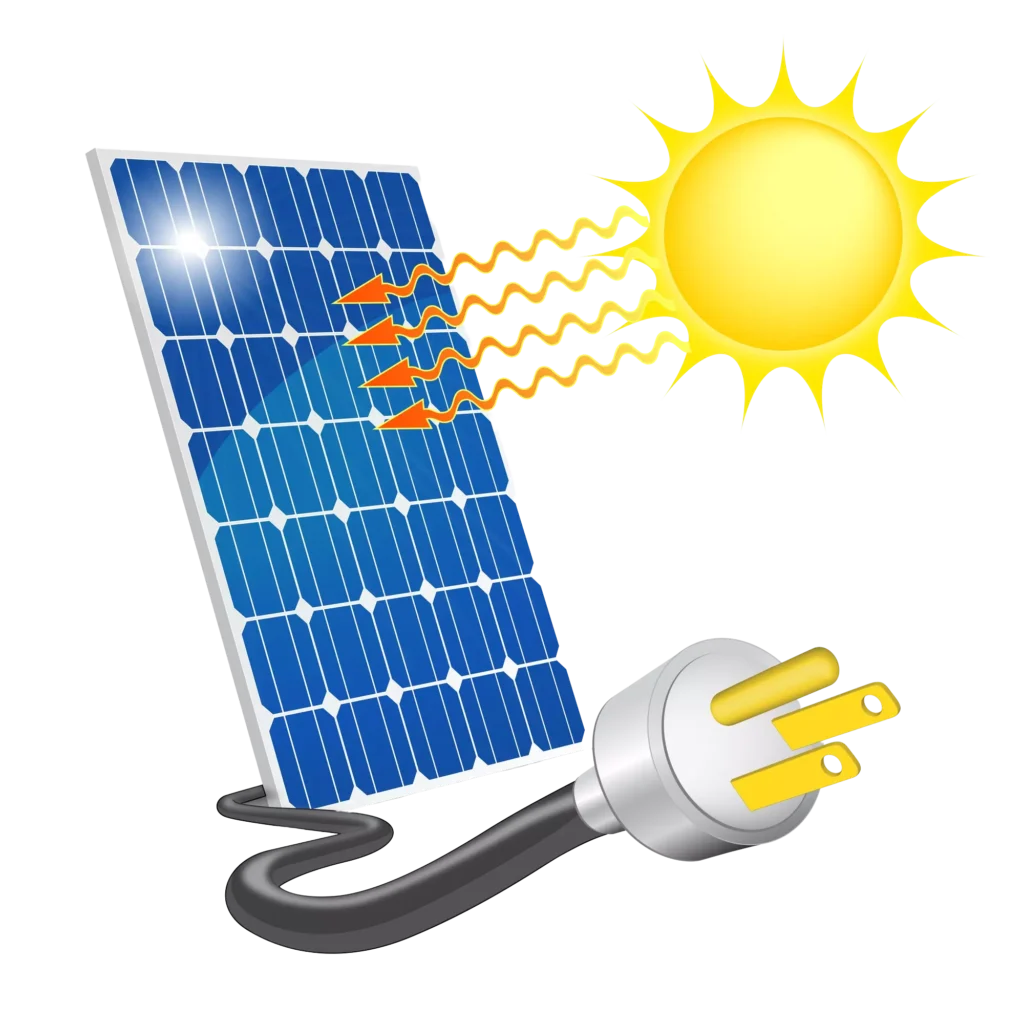
Solar panels are made up of many photovoltaic cells that are connected together. The conversion of renewable energy from sunlight comes from photovoltaics or PV cells. These photovoltaic cells convert light into an electrical current using something called the photovoltaic effect. The solar energy collected by the photovoltaic cells can either be stored in batteries to provide power after the sun has set or it can be used immediately to power up all the devices and appliances in your home. When sunlight shines on a solar panel, the photovoltaic cells convert the energy into electricity. The amount of electricity produced depends on how sunny it is and how big the solar panels are.
Solar radiation is renewable energy, meaning that it won’t run out like other resources and it doesn’t produce greenhouse gases, so it’s environmentally friendly. Solar panels have come a long way in recent years and are becoming more and more affordable and practical. You can feel good about using it to power your home, business, and even your vehicle. Can you imagine never needing to stop at a gas station again, unless you want to pick up a lotto ticket or a Slurpee.
The fact that solar power is clean and renewable, makes it the perfect source of energy because it doesn’t run out like other sources of energy like fossil fuels. Solar panels are typically installed on the roof of a house but can also be installed on most structures or directly on the ground. The system is set up to collect the solar energy and sell it back to the electric company. Most people choose to have solar panels installed on their houses to help reduce their electric bills and others to do their part in helping the environment.
Solar Power Benefits
Do you want solar panels for your home or business but don’t want to spend the money? No worries, with our service, you won’t need to purchase or lease a system. Just complete the short form above and answer a few simple questions to see if you qualify.
Redefining Solar Homes
The energy industry is poised for disruption and we believe that everyone should have access to solar electricity. Customers are tired of traditional energy providers after decades of unpredictable rate increases, lack of innovation, and poor reliability. Find out how our services can benefit you.
Solar Power Options
When it comes to residential solar systems, homeowners typically have 3 options. You can choose to either purchase or lease the solar panels and pay for the installation or you can simply allow us to absorb the entire cost while you and planet earth reap the rewards of using renewable energy.
Solar Power Works Best If
- You have inconsistent fluctuations in your electric bill.
- The summertime causes you to use less AC due to high energy costs.
- Your rooftop is completely open to sunlight, meaning no trees or structures shading your roof.
- You would like to utilize your electric power more freely, but your current provider rate structure does not allow it.
- You feel a need to help decrease the use of fossil fuels and carbon emissions.
- You just feel like you are paying too much for your electricity.
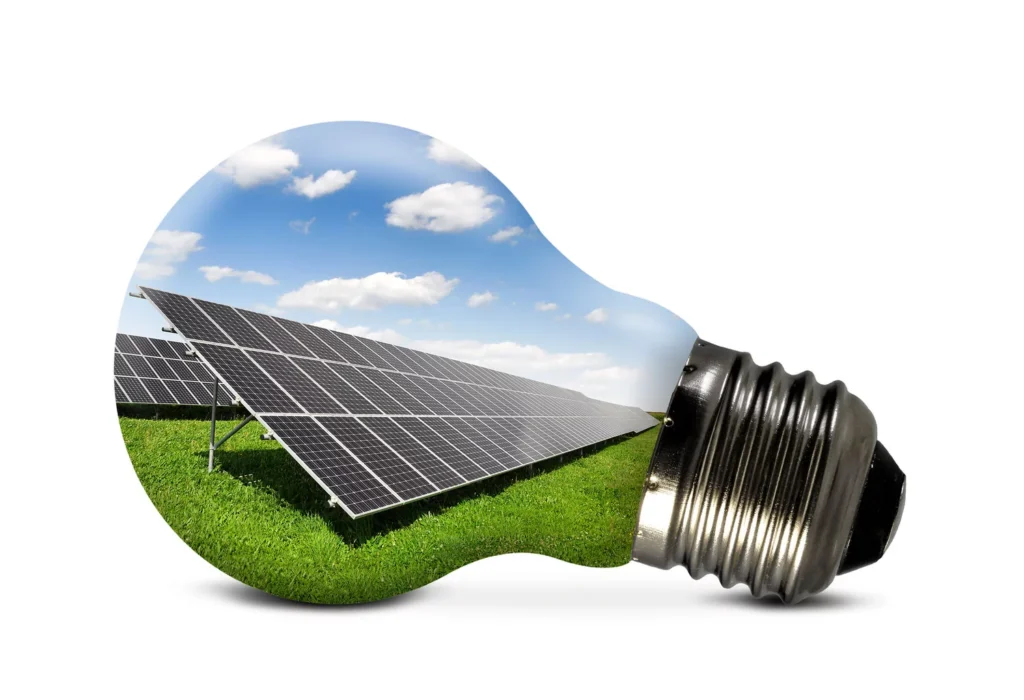
Utility companies are out-of-date and out-of-time!
In Southern California the sun shines bright and strong most of the year, making it a prime location for solar energy. Southern California Edison (SCE) is one of the largest electric utility companies in the United States. However, SCE is behind the times when it comes to utilizing renewable energies generated by our Sun.
In 2020, California implemented a solar mandate that requires home builders to install solar photovoltaic (PV) systems on all new homes, with a few exceptions. The mandate was created to help reduce greenhouse gas emissions and to help fight climate change. California is one of the sunniest states in the U.S., so it’s a no-brainer to install this photovoltaics technology into your community, to take full advantage of the sun’s far-reaching energy.
Utility companies are out-of-date and out-of-time! Not only are they behind the curve when it comes to delivering renewable energy sources, but they’re also failing to provide the most basic customer service. Our Sun is a fantastic source of renewable energy, not to mention a great source of vitamin D. You will also be creating jobs in your community.
The new age of energy is here and at SoCal Solar Power it’s our job to make everyone aware of it and to offer you a choice. A choice between the old ways and the new. You can choose to continue hurting the environment and allow for global warming to continue getting worse for our kids or you can choose to become a part of the solution and help mother earth heal, while at the same time lowering your energy costs.
Be a Super Hero!
The future of energy is here and now is the time to tap into renewable energy sources to help save the world. You now have the freedom to choose, the freedom to choose how you get your electrical energy and how you live your life. SoCal Solar Power is here to help make this a better world for humanity using solar technologies. Generate electricity from solar panels and help to lower the use of fossil fuels.
So here’s your chance to become a Super Hero and to help save the earth for our children. The future of energy is now, so you don’t need to wait. You can be a Super Hero today, and SoCal Solar Power is here to help. We offer the latest state-of-the-art photovoltaic cell technologies. Our mission is to provide renewable energy via solar electric power on all rooftops across Southern California and to create more Super Heroes.
Here is a better way to power your home without the need for coal mines, oil tankers, or power lines. We will design the best system based on your wants and needs for your home. While increasing the value of your home and decreasing your monthly power bill. With no upfront money out-of-your pocket, it’s a win-win for Southern California residents. Be one of the first on your block to convert to renewable energy.
Recharge Your Home with Clean Renewable Energy
Integrating solar cells with storage solutions as part of your home energy future just makes tons of sense. SoCal Solar Power can help you reach your energy profitability goals by cutting your energy bill and saving you money. The new age of energy consumption has arrived for Southern California homeowners. Now we just need to determine if our service is right for you.
Although storage systems are not a vital necessity for most homeowners, the cost of a storage system can be high. These types of storage systems are typically only needed in areas with frequent outages or for businesses with mission-critical systems. They offer the ability to scale for growth and help to increase the efficiency of your solar power system. Converting to solar is now more cost-effective, reliable, and more practical than ever before.
Power Purchasing Agreements
A power purchasing agreement (PPA) is an agreement between the homeowner and the solar company. Under the PPA, the company installs, owns, maintains, and operates the solar cell energy-producing system on the business or homeowner’s property. The homeowner is NOT purchasing or leasing the solar panels.
The homeowner is then billed monthly at a lower flat rate than Southern California Edison rates, for the energy that is produced from the solar panels. A PPA is a great option for homeowners who want to conserve energy with solar panels but who do not want to lease or purchase them. Nor do they want to deal with the hassle or responsibility of maintaining the PV system. Our solution is a completely hassle-free way to go solar and save money on your electricity bill month after month.
Purchasing then installing solar panels on your roof can feel like a big decision. It feels like your making a large purchase, like buying a new car or adding a room to your house. But at SoCal Solar Power we offer the ideal solution for those who don’t want to purchase, finance or lease solar panels. Our experts will install, maintain and monitor the panels for you. So you gain all the benefits that come from solar power technologies using sustainable energy for generating electricity.